
Jewelry is an investment in your style and memories. Whether it’s a delicate gold-filled necklace or a bold malachite statement piece, proper maintenance preserves its beauty. With the right care, your treasures remain as radiant as the day you bought them.
Caring for Your Metals: Jewelry Care From Solid Gold to PVD
Different metals require different levels of "love." Here is how to handle your Kate Koel favorites:
- Solid Gold & Platinum: These are the most resilient. Soak in warm water with a drop of mild dish soap for 20 minutes, then scrub with a baby toothbrush gently. Rinse in a clean water, dry with a soft cloth op a paper tower, store in an airtight bag.
- Gold-Filled & Vermeil: Unlike solid gold, these have layers. Avoid scrubbing. Avoid rubbing vigorously to prevent scratches. Use a soft cloth; never use abrasive cleaners. Gently wipe with a soft, lint-free cloth.
- Sterling Silver: Silver loves to be worn (body oils prevent tarnish!). If it dulls, use a specialized silver polishing cloth. Avoid bleach and harsh chemicals; store in tarnish‑preventive bags or pouches.
- PVD-Coated Steel: Avoid ultrasonic cleaners, chemical dips and prolonged soaking. Wipe with a soft, damp cloth; use mild soap if necessary and dry immediately. Do not polish aggressively.
- Brass: Brass tarnishes quickly; wash with warm soapy water and dry thoroughly. Avoid exposure to moisture and chemicals; occasionally buff with a polishing cloth designed for brass, but avoid over‑polishing.

Special Care for Nature’s Treasures: Pearls and Stones
Porous stones and organic materials need "dry" care.
- Natural Pearls & Mother of Pearl: These are organic. Never soak them; it weakens the silk thread(if threaded) and dulls the nacre(top layer). Wipe with a damp cloth after every wear.
- Porous Stones (Turquoise, Malachite, Lapis Lazuli): These stones can literally drink up chemicals. Never use ultrasonic cleaners. Clean only with a soft, barely damp cloth.

Caring for Artisan Resin & Sealed Crystal Jewelry
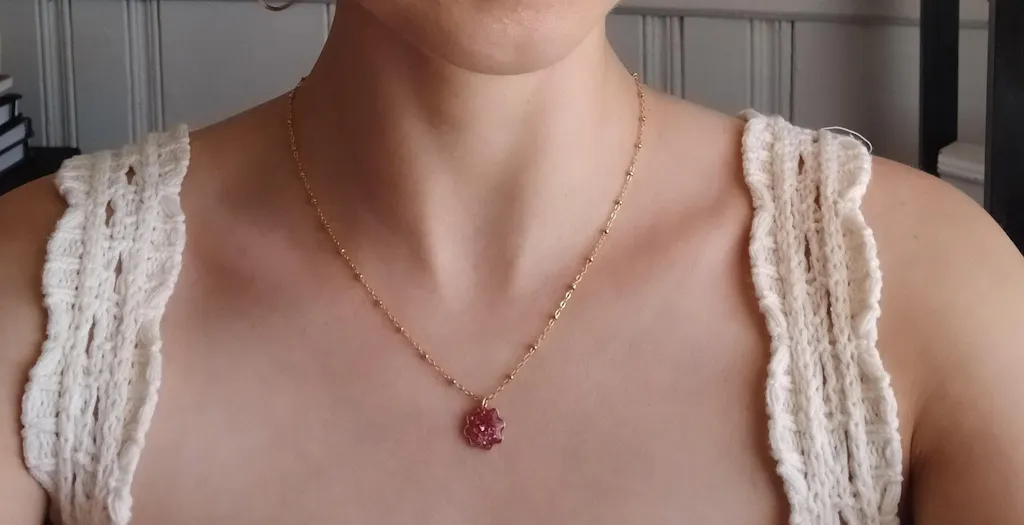
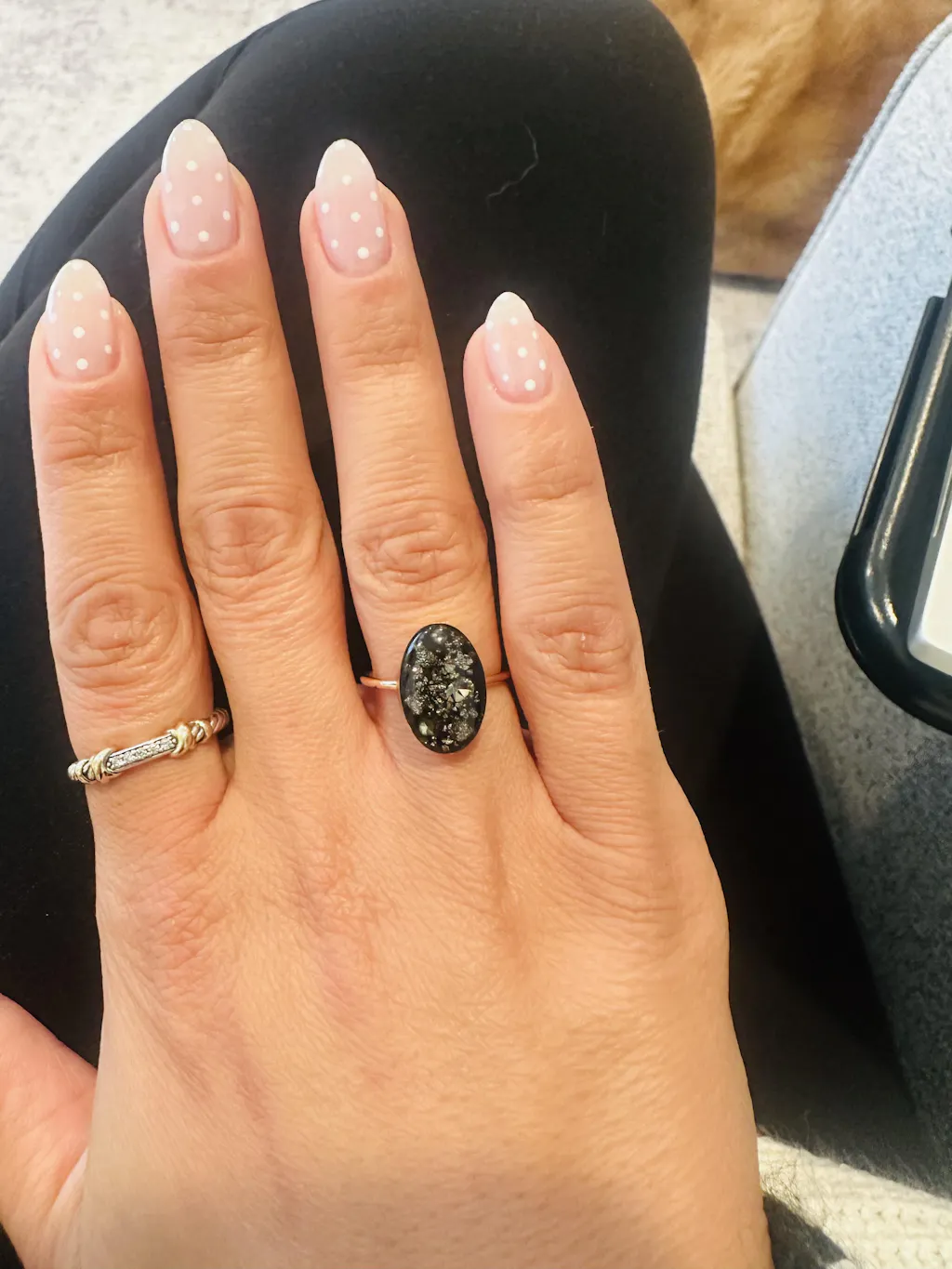
At Kate Koel, many of our most beloved pieces feature natural elements—like dried flowers and crushed gemstones—perfectly preserved under a specialized, museum-quality resin. This material is UV-stable (meaning it won't yellow over time) and water-resistant, acting as a protective "glass-like" shield for the delicate treasures inside.
However, while resin is incredibly durable, it is not invincible. To keep your sealed crystals looking crystal clear:
- Avoid Abrasives: The top layer of resin is softer than metal. Never use "magic erasers," baking soda pastes, or stiff-bristled brushes, as these can create microscopic scratches that dull the surface over time.
- Chemical Sensitivity: While the resin protects the contents, harsh chemicals like acetone (nail polish remover), high-percentage alcohol, or heavy perfumes can "eat" into the finish or cause it to become tacky.
- Cleaning Method: The best way to restore the shine to your resin jewelry is with a drop of mild dish soap and a soft microfiber cloth. Gently buff the surface in a circular motion to remove fingerprints or oils.
The "Never" List: Treatments That Ruin Jewelry
- The Worst: Chlorine (pools), Bleach, and Acetone. These chemicals can pit gold and disintegrate the "glue" or resins used in artisan jewelry.
- The Best: The "Last On, First Off" rule. Put jewelry on after hairspray and perfume; take it off before showering or sleeping.

Still Have Questions? We’re Here to Help
Every piece of jewelry is as unique as the person wearing it. If you have a specific piece, a custom Kate Koel design, or a gemstone not mentioned in this guide, please don't guess! Using the wrong cleaning method can sometimes cause damage that is beyond repair.
Reach out to us directly via our contact page or Instagram. We would be happy to provide a personalized care recommendation to ensure your jewelry remains a staple in your collection for decades to come.