
Can You Wear Jewelry Every Day? An Honest Guide to Everyday Jewelry from a Jewelry Maker
Can you wear jewelry every day?
Technically, yes. You can wear anything you want every day.
But will that piece survive your actual everyday lifestyle and still look untouched five years later? That is a very different question.
I have been making jewelry for more than 20 years and selling my work professionally for a little over 10 years. After talking to thousands of customers at live markets, answering the same care questions over and over again, and watching how real people actually wear their jewelry, I have learned that “everyday jewelry” is one of the most misunderstood ideas in jewelry.
Most people are not just asking, “Can I wear this every day?”
What they really want to know is:
Can I put this on and forget about it?
Can I shower in it?
Can I sleep in it?
Can I work out in it?
Can I swim in it?
Will it still look exactly the same years later?
And that is where the honest answer gets more complicated.
Everyday jewelry is not jewelry that never changes. Everyday jewelry is jewelry that is made from the right materials, designed with fewer fragile details, and worn with realistic care.
If you love expressive, personal pieces made by hand, you can always explore more handmade jewelry by Kate Koel, but this guide is here to help you understand what kind of jewelry makes sense for true everyday wear and what kind of jewelry deserves a little more care.
The Biggest Misconception About Everyday Jewelry
The biggest misconception I see is the expectation that jewelry should stay untouched forever.
I honestly do not know where this expectation comes from.
People understand that tattoos fade. Hair extensions need maintenance. Teeth crowns eventually need to be replaced. Clothes stretch, shoes wear down, furniture gets scratched, and even the things we love most need care.
But somehow, when it comes to jewelry, there is often this idea that if you put a metal piece on your finger, wrist, neck, or ear, it should stay perfect for unlimited time.
That is not how jewelry works.
Even solid precious metals change with wear. Ask anyone who has been married for 20 years and has worn the same wedding band every day. That ring has scratches. It may have dents. It probably looks softer and more worn than it did on the wedding day.
That does not mean the ring is bad quality. It means it has been worn. It has lived with the person.
The same is true for all jewelry.
Yes, the material matters. A solid gold ring will age differently than a gold-plated ring. A 14k gold-filled bracelet will age differently than a brass fashion bracelet. Sterling silver will behave differently than PVD-coated steel. The material determines how long the piece can realistically hold up and what kind of changes you can expect.
But no material is magic.
Everyday wear always leaves evidence.
What Everyday Jewelry Really Means
To me, everyday jewelry means jewelry that is designed to be worn often, not jewelry that should be abused without consequences.
There is a big difference.
A good everyday jewelry piece should be comfortable, durable, simple enough to avoid constant snagging, and made from a material that can handle frequent wear better than typical fashion jewelry.
But even the best everyday jewelry still needs care.
If you love a piece and want it to last, you need to treat it like something you love. That means removing it before the most aggressive parts of your day: working out, swimming, cleaning, gardening, sleeping, and exposing it to heavy friction or chemicals.
You can absolutely wear jewelry every day.
But you should not expect it to stay untouched if you never remove it.
Best Materials for Everyday Jewelry
Most of my own creations are made with 14k gold-filled and sterling silver. In this economy, I love this middle ground because it allows me to create pieces that are still beautiful, durable, and wearable without pushing every customer into solid gold pricing.
Of course, I dream about working more with solid precious metals. Solid gold, platinum, and higher-end materials are beautiful. But the jump in price is not only on me as a maker. It also falls on the customer.
Gold prices are high. Platinum is expensive. Solid precious metal jewelry requires a much bigger investment from both the artist and the client.
That is why I often choose 14k gold-filled and sterling silver for my work. They are much better options than regular fashion jewelry, while still keeping the pieces more accessible than solid gold.
Solid Gold, Platinum, and Precious Metals
The easiest and simplest materials for everyday jewelry are solid precious metals, such as:
-
-
- 18k gold
- 14k gold
- 9k gold
- platinum
- sterling silver
-
These materials are strong options because the color is not just sitting on the surface as a thin coating. With solid gold or platinum, you are not waiting for a top layer of plating to wear away.
But even precious metals scratch. They can bend. They can dull. They can still be damaged by chlorine, chemicals, pressure, and friction.
Precious metal does not mean indestructible. It means the piece has better long-term potential and can often be repaired, polished, or maintained over time.
14k Gold-Filled Jewelry
14k gold-filled is one of my favorite practical options for everyday jewelry.
It is not the same as gold plating. In the United States, 14k gold-filled has a specific meaning and a much thicker layer of gold bonded to the base metal than traditional plated jewelry.
From my own experience, it can wear beautifully for years.
I have a 14k gold-filled thumb ring that I have been wearing for six years straight as my own little durability test. It is still gold in color. It has not turned into something else. But it is scratched. It is slightly bent from travel, weightlifting, and life.
And I do not mind, because I understand that this is what happens when jewelry is truly worn.
I also have 14k gold-filled bracelets that have lived on my wrist for years. One of the clasps is solid 14k gold, so I can compare the color over time. Years later, the bracelets still look gold and still look great.
That does not mean everyone will get the exact same result. Your lifestyle matters. Your skin chemistry matters. How often you swim, work out, clean, shower, and apply products matters.
But in my personal and professional experience, real 14k gold-filled jewelry is a beautiful middle ground for people who want quality everyday jewelry without the price of solid gold.

Sterling Silver
Sterling silver is another great everyday material, especially if you like cooler-toned jewelry.
The main thing to understand is that sterling silver can tarnish. That is normal. Tarnish is not the same thing as bad quality.
Sterling silver can be cleaned, polished, and maintained. If you want a bright silver look all the time, you need to understand that maintenance is part of wearing silver.
For everyday jewelry, sterling silver can be a wonderful option, especially in simpler styles like rings, chains, hoops, and metal pendants.

Vermeil Jewelry
Vermeil is often marketed as a higher-quality alternative to regular gold plating. And technically, it is more durable than many fashion platings because it usually has a thicker gold layer over sterling silver.
But it is still a plating.
That is why I personally would not recommend truly living in vermeil jewelry.
If a brand promises that you can live in vermeil jewelry forever, I would be careful. Sometimes that promise is more marketing than reality. Maybe the brand has built repair, replating, or replacement costs into the price. Maybe they have a warranty process. Maybe they explain normal wear in their policy.
But the important thing to understand is this: vermeil still has a top layer of gold, and that layer can wear down.
It can be a beautiful option, but I would not treat it as the best live-in everyday jewelry.
Gold-Plated and Silver-Plated Fashion Jewelry
Gold-plated and silver-plated fashion jewelry can be beautiful, fun, and perfect for statement pieces.
But I do not consider it the best everyday jewelry.
Some of my own larger statement pieces include components made in a more classic fashion-jewelry way: brass that is lead- and nickel-free with heavy gold plating. I love these pieces for what they are. They allow me to create bigger, more dramatic earrings and artistic designs at a price that still makes sense.
But I would never tell someone to live in those pieces.
A large statement earring made in solid gold would be incredibly expensive. For many designs, that does not make practical sense. In that case, fashion materials can be the right choice for the purpose of the piece.
The problem is not fashion jewelry itself.
The problem is when fashion jewelry is marketed as if it should behave like solid gold.
My Honest Opinion on PVD Steel Jewelry
PVD-coated stainless steel jewelry is very trendy right now. You often see it marketed as waterproof, tarnish-proof, life-proof, and indestructible.
I think a lot of this marketing is unfortunate.
Waterproof sounds logical because, of course, metal is not going to dissolve in water. But in jewelry marketing, “waterproof” is often used to suggest that the piece will never change color, never chip, never fade, and never be affected by daily life.
That is a very simplified version of the truth.
PVD steel jewelry can last for a while. It can be a practical option for some people. But it is still coated jewelry. The gold color is not solid gold. It is a coating, and it contains no actual gold in the way people often imagine when they see the color.
In my experience, many PVD steel pieces are mass-manufactured and selected from overseas catalogs. I have seen only a very small number of brands actually design their own pieces and have them manufactured in PVD. Many others simply choose existing designs from catalogs and market them as if they are unique designs.
That is not my current business model.
I enjoy creating unique pieces that I make myself. I care about the hand of the maker, the design process, and the material honesty behind the piece.
PVD steel has its place. But I do not like when it is marketed as if it is magic, handmade, or truly life-proof.
What Damages Everyday Jewelry the Fastest
Everyday wear alone is not usually the biggest problem.
The biggest problem is wearing jewelry through the harshest parts of your lifestyle.
Some habits can damage jewelry very quickly, even if the jewelry is good quality.
Weightlifting and Workouts
Weightlifting is one of the fastest ways to scratch and bend rings.
When you hold metal gym equipment while wearing rings, there is friction between metal and metal. That can scratch the jewelry right away. Rings can bend from pressure. Chains and bracelets can catch on equipment. Sweat, dirt, and movement can all add extra stress to the piece.
If you want your rings and bracelets to last, remove them before working out, especially before lifting weights.
Chlorine Pools
Swimming in chlorine pools is one of the fastest ways to ruin jewelry.
Chlorine is a powerful chemical. It can discolor, corrode, weaken, and damage metals over time. It can attack tiny crevices and vulnerable points in the piece. It can make metals more brittle and create long-term structural problems.
This is true even for good jewelry.
Solid gold, sterling silver, gold-filled jewelry, plated jewelry, and PVD-coated jewelry can all be affected by chlorine. Some materials may resist it longer than others, but none of them become invincible in a pool.
If there is one rule I wish more people followed, it is this:
Do not swim in your jewelry.
Sunscreen, Lotion, Perfume, and Hair Products
Sunscreen and lotion can create a thin film over jewelry. Perfume and hair products can settle into small crevices. Over time, buildup can make the piece look dull or dirty.
This is especially important for earrings, chains, textured rings, and anything with small details.
The jewelry may not be “ruined,” but it may need cleaning more often. And if the piece has plating, stones, pearls, or delicate materials, product buildup can become a bigger problem.
Sleeping in Jewelry
I understand why people want to sleep in jewelry. They want to put it on and forget about it.
But sleeping in jewelry creates friction, pressure, and pulling. Earrings can bend. Chains can tangle. Rings can press against the skin. Prongs, clasps, and small details can catch on blankets, hair, or clothing.
If your goal is longevity, remove your jewelry before bed.
Hair Tangling in Earrings
This is something I see and hear about often.
Hair can tangle around earring backs, closures, and small parts behind the earlobe. Over time, that pulling can loosen the backing. It can irritate the ear. It can pull hair out. It can also eventually cause someone to lose the earring or the backing.
Even if you wear flat-back earrings, I still recommend removing and cleaning them regularly. Flat backs may be easier to sleep in, but they are not maintenance-free. Hair, dirt, skin oils, and buildup can still collect around them.
Our bodies are alive. Skin creates oils. Hair sheds. Ears need cleaning. Jewelry that touches the body every day needs maintenance.
Cleaning, Gardening, and Chores
Cleaning chemicals are not jewelry-friendly. Gardening creates dirt, pressure, and rough contact. Chores can expose jewelry to friction, moisture, soap, and impact.
If you want your jewelry to last, remove it before cleaning, gardening, and heavy household work.
It is a simple habit, but it makes a big difference.
What Jewelry Is Best for Everyday Wear?
The best everyday jewelry is usually the least complicated jewelry.
The fewer fragile details, the better.
For true everyday jewelry, I recommend:
- all-metal rings
- simple stacking bands
- textured metal bands
- chain bracelets
- plain chain necklaces
- small hoops
- simple studs
- metal pendants
- pieces without semi-precious gemstones
- pieces without pearls
- pieces without delicate prongs or fragile accents
This does not mean gemstone jewelry is bad. I love gemstones. I use stones in my own work. I adore color, texture, and unique details.
But there is a difference between jewelry you wear often and jewelry you should live in without thinking.
Everyday Rings
For everyday rings, I recommend all-metal styles.
Stacking rings are a great option. Textured bands are beautiful because they already have visual interest and do not rely on fragile stones.
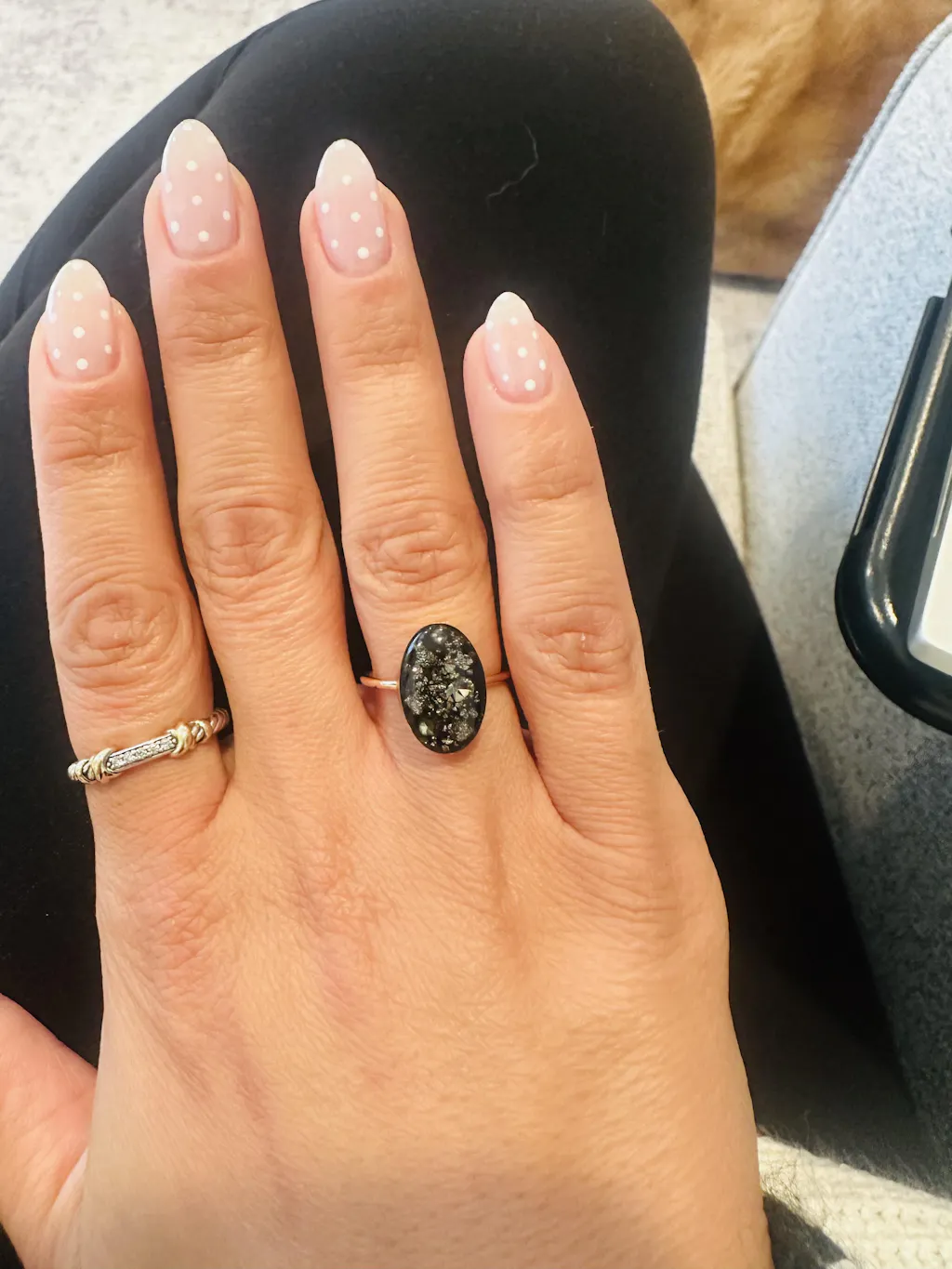
If you want a ring you can wear often, avoid semi-precious gemstones for true live-in wear. A simple place to start is with gold-filled and sterling silver ring sets, especially if you like the look of layered rings but want something easier to wear every day than gemstone styles.
Diamonds, sapphires, and rubies are some of the few gemstones that can handle daily wear better because they are much more durable. But many semi-precious gemstones are softer or more porous and do not love constant water, lotion, soap, pressure, or friction.
Turquoise, opals, pearls, malachite, and many other beautiful stones need more care.
If you want a ring to wear every day with minimal worry, keep it metal.

Everyday Bracelets
For everyday bracelets, I recommend simple chain bracelets.
Avoid pearls and semi-precious gemstones if you want something to live on your wrist.
A small pop of color can be a nice exception if it comes from something more practical, like seed beads, because it gives you color without the same concerns as softer natural stones. For example, the Color Pop Chain Bracelet is a 14k gold-filled chain bracelet with tiny Japanese seed beads, which makes it a lighter, more playful option than a bracelet built around pearls or semi-precious gemstones.
In general, the simpler the bracelet, the better it will handle daily movement.
Bracelets are constantly exposed to desks, sleeves, bags, water, products, and impact. They need to be practical.

Everyday Necklaces
For everyday necklaces, plain chains are the easiest option.
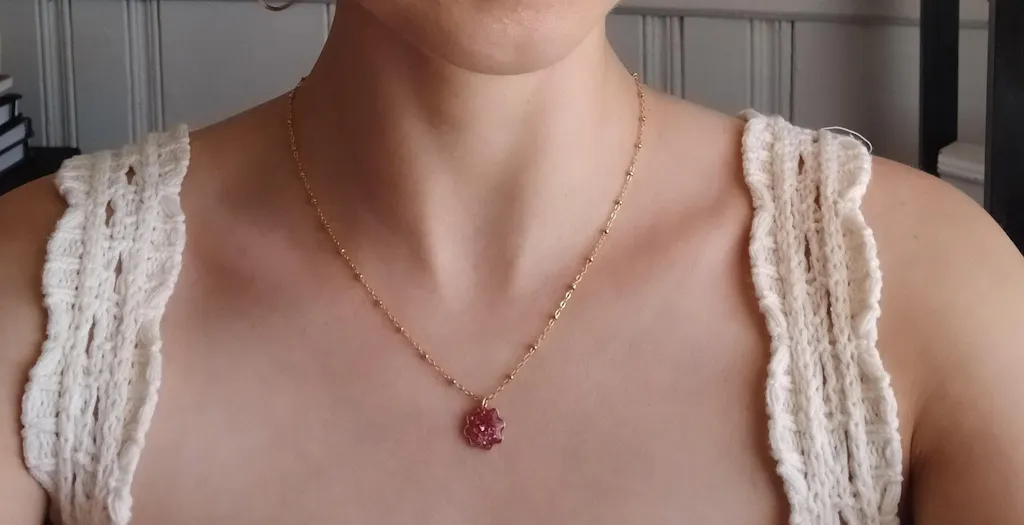
A simple chain can be layered, styled, and worn often. If you want a pendant, a metal pendant is usually more practical than a gemstone pendant for everyday wear.
Gemstone pendants can still be worn often, but I would not treat them as “never take it off” jewelry. If you love color, shimmer, and natural materials, handmade abalone shell jewelry can be a beautiful option for pieces you wear often with care, especially when you want something more expressive than a plain metal pendant.
Chains can also catch, stretch, or break if you sleep in them or work out in them, so even simple necklaces should be removed during rough activities.

Everyday Earrings
For earrings, the simpler the better.
Small hoops and simple studs are usually the easiest choices. Avoid overly pointy details, delicate dangling elements, or anything that catches easily if you want earrings for frequent wear.
That said, as a jeweler and maker, I personally still do not recommend truly living in earrings forever.
Even earrings need cleaning. Even comfortable earrings collect buildup. Even simple closures can loosen over time.
If you want earrings you can put on and forget for a little while, choose a plain 14k gold hoop with a secure closure. But still remove and clean them regularly.
What Jewelry Should Not Be Treated as Everyday Jewelry?
Some jewelry is beautiful but simply not designed for live-in wear.
That includes:
- large statement earrings
- heavily plated fashion jewelry
- pearls
- opals
- turquoise
- malachite
- many semi-precious gemstones
- delicate gemstone pendants
- pieces with fragile prongs
- pieces with lots of moving parts
- pieces that easily catch on hair or clothing
- artistic pieces with special finishes or delicate details
This does not make them bad jewelry.
It just means they have a different purpose.
A statement piece is meant to make an outfit feel special. It is meant to be worn, enjoyed, noticed, and then stored properly. It does not need to survive your shower, your gym session, your gardening day, and your chlorine pool.
Not every piece has to be everyday jewelry.
Some pieces are made for beauty, mood, expression, and occasion.
Can You Shower in Everyday Jewelry?
Fresh water is not the biggest enemy for many good-quality metals. Washing your hands while wearing rings is generally fine. In some cases, it can even help rinse away a little daily buildup.
But showering is different because it usually involves soap, shampoo, conditioner, body wash, shaving products, heat, and repeated exposure.
If you shower in jewelry every day, you are not just exposing it to water. You are exposing it to a mix of products and buildup.
Solid gold, platinum, sterling silver, and real 14k gold-filled jewelry will usually perform much better than fashion-plated pieces in this situation. PVD steel may also last for a few years with daily showers, depending on the quality.
But “better” does not mean “untouched forever.”
If your goal is to keep your jewelry looking its best for as long as possible, remove it before showering.
Can You Swim in Everyday Jewelry?
No, I do not recommend swimming in jewelry.
Especially not in chlorine pools.
Chlorine is one of the fastest ways to damage jewelry. It can affect metals, coatings, clasps, crevices, and delicate parts. It can also damage gemstones and pearls.
Ocean water is not ideal either because salt, sand, sunscreen, and friction can all create problems.
If you love your jewelry, take it off before swimming.
Can You Work Out in Everyday Jewelry?
I do not recommend working out in jewelry, especially rings.
Weightlifting can scratch rings immediately. Metal weights, bars, and machines create direct friction against the jewelry. Rings can also bend from pressure.
Bracelets and necklaces can catch on equipment. Earrings can get pulled by hair, towels, or movement.
If you want your everyday jewelry to last, remove it before the gym.
How to Clean Everyday Jewelry
The best way to clean everyday jewelry depends on what the piece is made of.
For simple metal jewelry, gentle cleaning is usually enough.
Use mild soap, warm water, and a soft cloth. Dry the piece fully before storing it. For sterling silver, use a polishing cloth when tarnish appears.
Avoid harsh chemicals, abrasive cleaners, toothpaste, alcohol, bleach, and random internet cleaning hacks.
Be extra careful with gemstones, pearls, plated jewelry, and delicate handmade pieces. Not every material should be soaked. Not every stone likes water. Not every finish can handle polishing.
If you want a more detailed routine, read my jewelry cleaning and care guide before trying random cleaning advice on your favorite pieces.
If you do not know what your jewelry is made of, that is the first problem to solve.
Everyday jewelry care starts with knowing the material.
How to Choose Everyday Jewelry
When choosing everyday jewelry, start with your real life, not your fantasy life.
Ask yourself:
- Do I work out often?
- Do I swim often?
- Do I use sunscreen every day?
- Do I garden, clean, lift, build, paint, or work with my hands?
- Do I sleep in jewelry?
- Do I want to maintain the piece, or do I want the lowest-maintenance option possible?
- Do I prefer solid gold, sterling silver, or a more budget-friendly middle ground like 14k gold-filled?
- Am I choosing this piece for daily wear or for statement styling?
If you want the most practical everyday jewelry, choose mostly metal, simple shapes, fewer fragile parts, and materials that match your budget and lifestyle.
The best everyday jewelry is not always the most expensive piece.
It is the piece that makes sense for how you actually live.
My Ideal Everyday Jewelry Wardrobe
If someone asked me what to buy for a realistic everyday jewelry wardrobe, I would recommend starting simple.
You do not need a huge collection. You need a few good pieces that are comfortable, easy to style, and made from materials you understand.
My ideal everyday jewelry wardrobe would include:
- one or a few all-metal stacking rings
- a textured metal band
- a simple chain bracelet
- a chain bracelet with a small bead color accent, if you want a little color
- a plain chain necklace
- a small metal pendant, if you want an accent
- simple hoops
- simple studs
I would avoid pearls, semi-precious gemstones, and delicate statement pieces for true live-in jewelry.
Those pieces can still be part of your jewelry wardrobe. They just belong in a different category.
Everyday Jewelry Still Needs Care
This is the part I wish every customer understood:
If you love a piece, take care of it.
Do not wear it to the gym and blame the material when it scratches. Do not swim in it for months and expect it to look untouched. Do not sleep in earrings forever and be surprised when hair, dirt, and buildup collect around the backing.
Jewelry is not separate from life.
It touches your skin. It moves with your body. It catches on your clothes. It meets your lotion, sunscreen, sweat, soap, shampoo, chlorine, perfume, hair, blankets, bags, desks, walls, gym equipment, and daily habits.
Of course it changes.
That does not mean you should be afraid to wear your jewelry. Jewelry is meant to be worn and enjoyed.
But there is a difference between wearing something and neglecting it.
Final Thoughts: Everyday Jewelry Is About Realistic Expectations
Can you wear jewelry every day?
Yes.
But everyday jewelry should not mean jewelry you never remove, never clean, and never care for.
The best everyday jewelry is made from quality materials, designed with fewer fragile details, and chosen with your actual lifestyle in mind.
If you want the easiest everyday pieces, choose simple metal jewelry: stacking rings, chain bracelets, plain necklaces, small hoops, and simple studs. If you want pearls, turquoise, opals, malachite, or statement pieces, enjoy them beautifully, but treat them with more care.
Jewelry can absolutely be part of your everyday life.
Just do not expect it to be the only thing in your life that never changes.